
 Formed in 2009, the Archive Team (not to be confused with the archive.org Archive-It Team) is a rogue archivist collective dedicated to saving copies of rapidly dying or deleted websites for the sake of history and digital heritage. The group is 100% composed of volunteers and interested parties, and has expanded into a large amount of related projects for saving online and digital history.

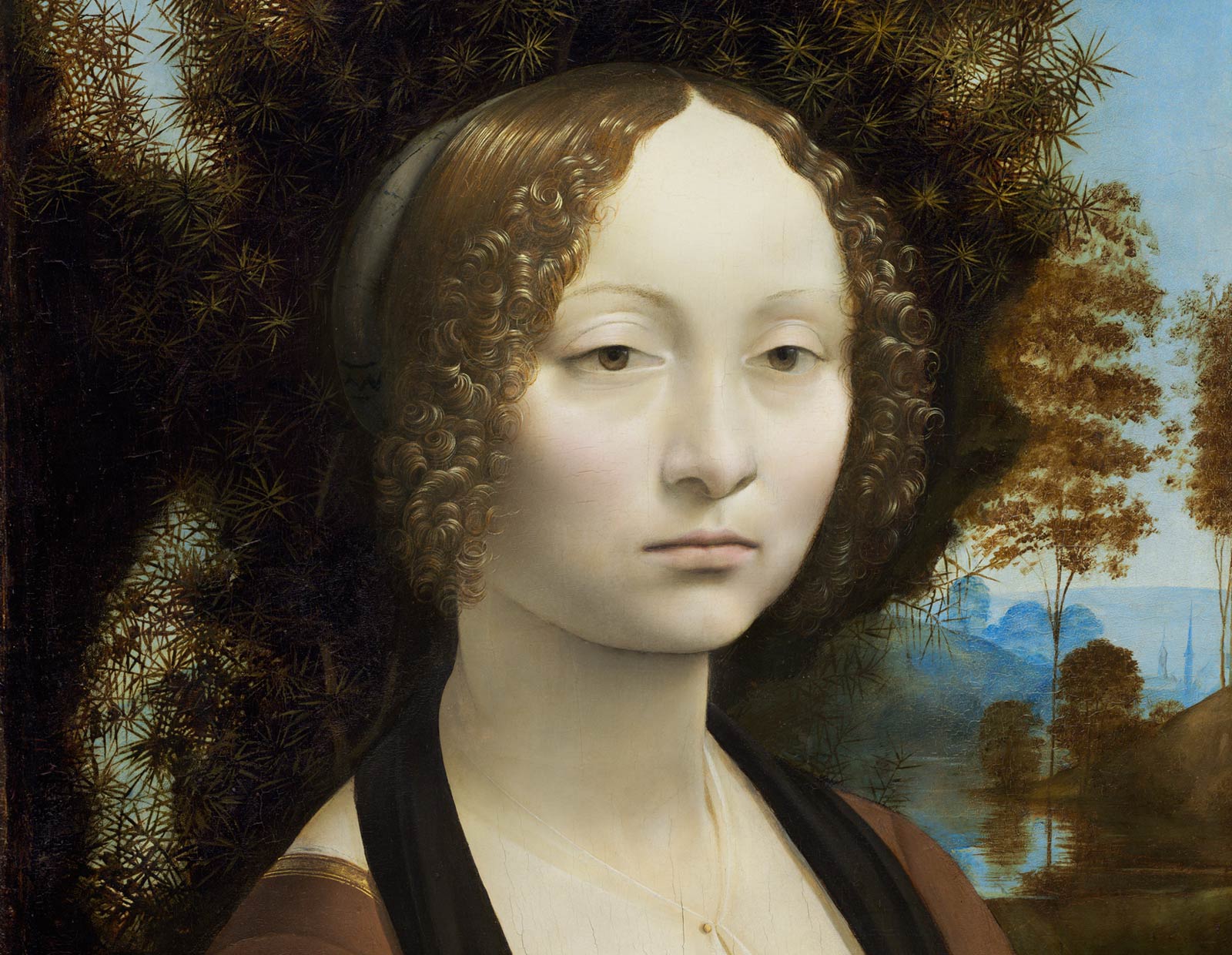
Ginevra is known to have had several admirers who composed poetry in her honor and entreated her to share own verse with them. Among them was Lorenzo de’Medici, whose elite family was known for its art patronage. Even more significant to Ginevra was Bernardo Bembo, the Venetian ambassador to Florence. It may have been he who commissioned her portrait to celebrate—and substitute for—the object of his admiration and esteem. The painting’s reverse side,
Leonardo da Vinci, Wreath of Laurel, Palm, and Juniper with a Scroll inscribed Virtutem Forma Decorat [reverse], c. 1474/1478, tempera on panel, Ailsa Mellon Bruce Fund, 1967.6.1.b
About the Artist
Related Resources
Video
European Art
Family Resources
An Eye for Art: Examining Portraits
Online Feature
Virtue and Beauty: Leonardo’s Ginevra de’ Benci and Renaissance Portraits of Women
Slideshow
Portrait Painting in Florence in the Later 1400s
Image Download
Download a digital image of this work

Leonardo da Vinci, Ginevra de' Benci [obverse], c. 1474/1478, oil on panel, Ailsa Mellon Bruce Fund, 1967.6.1.a
More Works by Leonardo da Vinci
in the National Gallery of Art Collection
.jpg)
Leonardo da Vinci, Sheet of Studies [recto], probably 1470/1480, pen and brown ink over leadpoint with blind stylus on laid paper, The Armand Hammer Collection, 1991.217.2.a
.jpg)
Leonardo da Vinci, Study of a Madonna [verso], probably 1470/1480, black chalk on laid paper, The Armand Hammer Collection, 1991.217.2.b
Explore all Collection Highlights