
 Formed in 2009, the Archive Team (not to be confused with the archive.org Archive-It Team) is a rogue archivist collective dedicated to saving copies of rapidly dying or deleted websites for the sake of history and digital heritage. The group is 100% composed of volunteers and interested parties, and has expanded into a large amount of related projects for saving online and digital history.


.jpg)
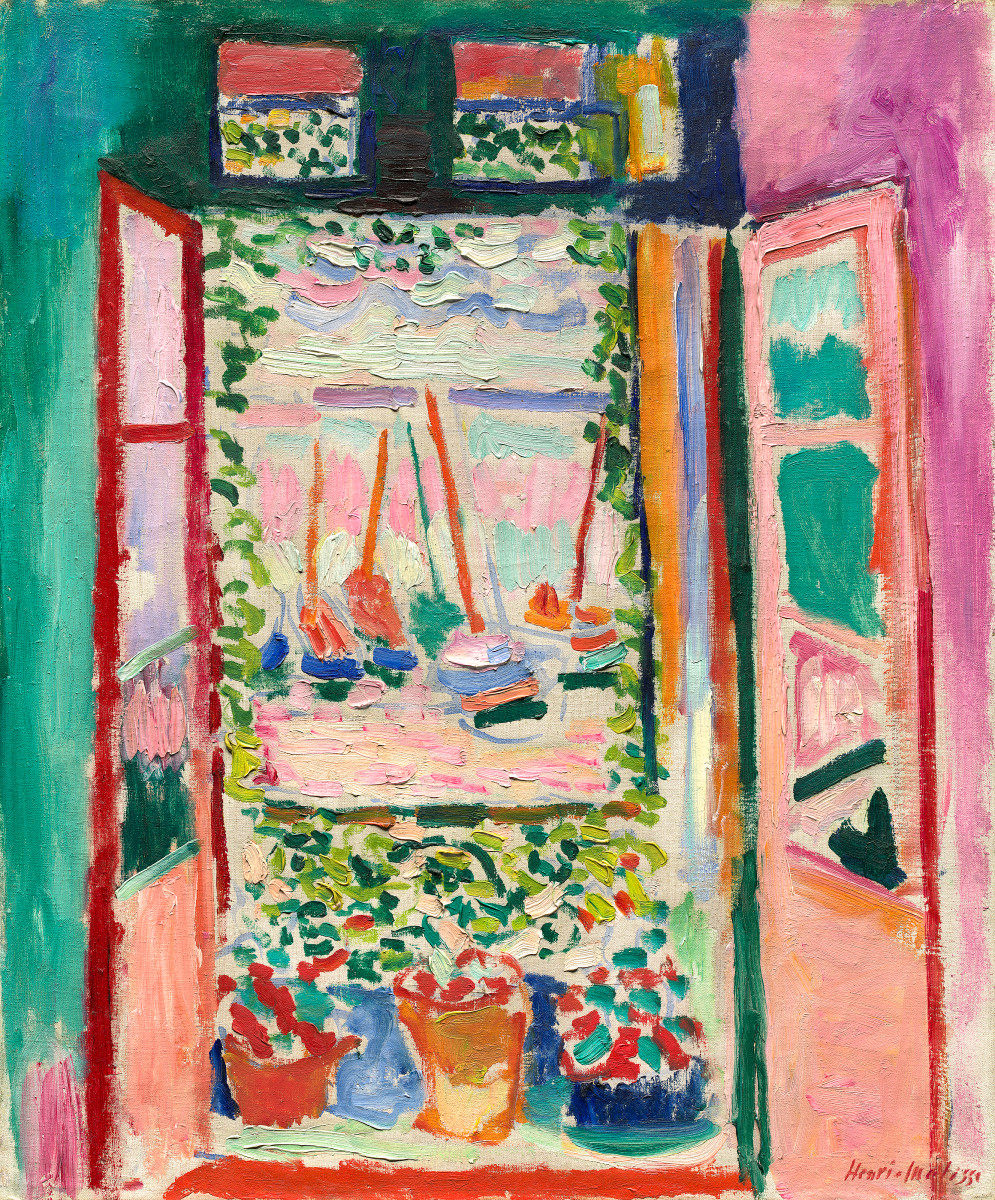
Introduced to painting while recovering from appendicitis at age 19, Henri Matisse abandoned his job as a law clerk to compose conventional Dutch-inspired still lifes and interiors using a somber palette. After moving from northern France to Paris in 1891, his colors brightened and his style evolved under the influence of Paul Cézanne, Paul Gauguin, and others.
In 1904, while working along the Mediterranean coast, he fully liberated his colors in bold hues that eliminated shadows and defined forms. This experimentation—dubbed fauvism (from “wild beasts”)—was a brief but crucial step in Matisse’s lifelong goal of expression through color. As he traveled throughout North Africa and Moorish Spain from 1906 to 1913, his sense of abstraction heightened, expressed in mural-sized canvases that explored color intensity in relation to human form and studio objects.
During the 1920s, Matisse reverted to more conventional modeling, cohesive space, and blended brushwork, depicting figures in exotic costumes in the textile-sheathed interior of his Nice studio. With a commission to design a mural for the Barnes Collection in Philadelphia, however, Matisse reentered the avant-garde fray.
.jpg)
.jpg)
.jpg)