
 Formed in 2009, the Archive Team (not to be confused with the archive.org Archive-It Team) is a rogue archivist collective dedicated to saving copies of rapidly dying or deleted websites for the sake of history and digital heritage. The group is 100% composed of volunteers and interested parties, and has expanded into a large amount of related projects for saving online and digital history.

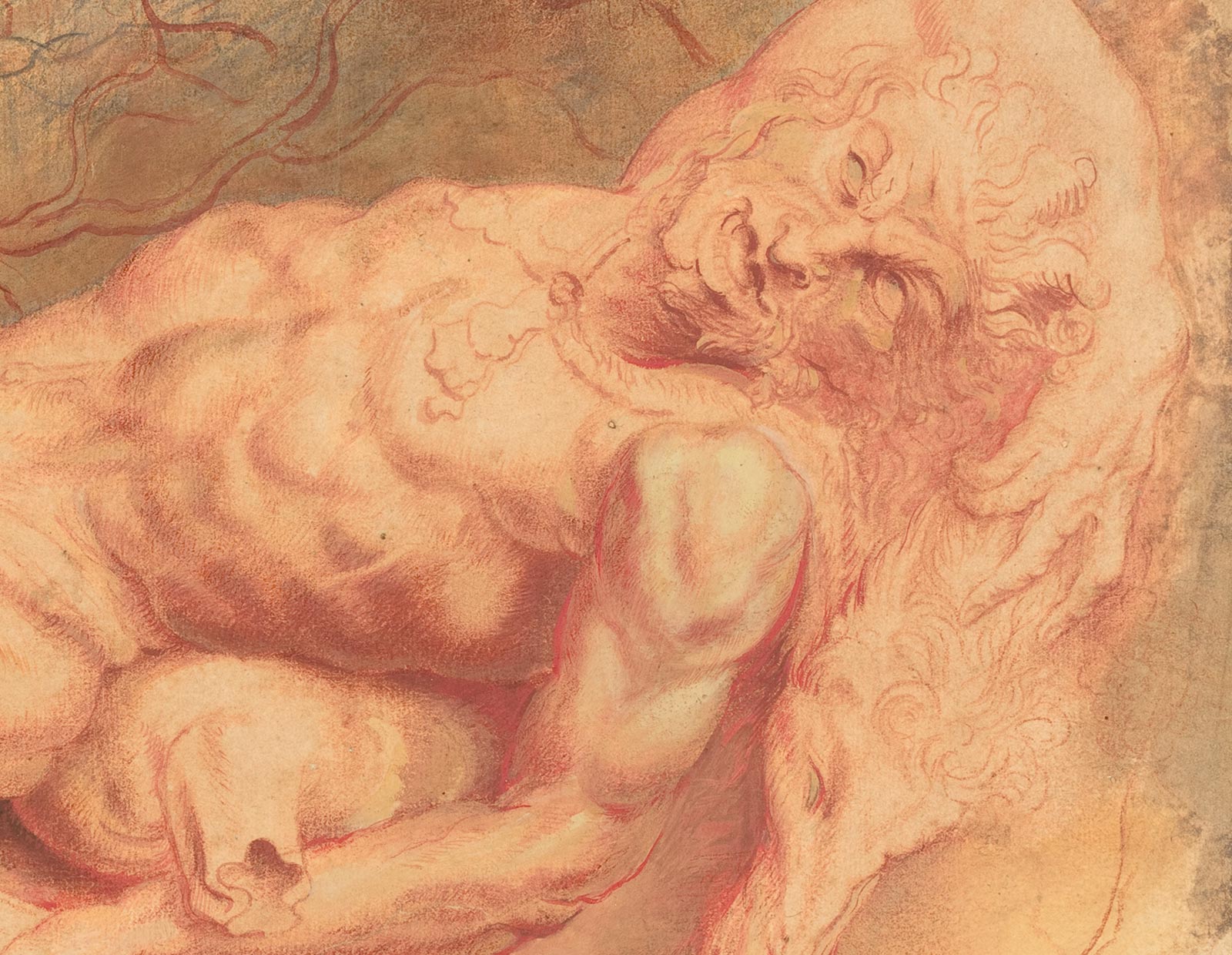
Rubens was among the most prolific, learned, and versatile painters of his day. His education and urbane manners took him far in life, well beyond the expectations of even the most talented artist.
Rubens was born in Westphalia, Germany. His father Jan, a Calvinist, had moved his family there from their native Antwerp, a Catholic stronghold. Jan died when Rubens was nine and his mother, Maria Pipelinckx, moved the family back to Antwerp, where they converted to Catholicism. In Antwerp, Rubens received the finest classical, humanist education available and became deeply versed in the literature of antiquity. As a teenager, he was sent to the court at Brussels, where he was schooled in social graces and the ways of the aristocracy. Rubens knew Dutch, German, French, and read Latin (later learning English and Italian). He took up drawing, initially copying the works of famous artists, a practice he was to continue as he pursued his artistic training. As his talent became evident, Rubens began formal training as an apprentice in several painters’ studios. From the outset of his career, he favored sweeping biblical scenes, mythological dramas, and portraits. So devoted was he to his classically inspired subjects that he became known as the “Antwerp Apelles,” after a celebrated ancient Greek painter who had worked in the court of Alexander the Great and had been esteemed for both his realism and poetic sensibility.
Rubens concluded his art education in Italy, where he remained from 1600 to 1608. He studied Renaissance painters in Venice and also lived in Mantua, Rome, and Genoa. He accepted commissions and also spent time studying and copying from classical sculpture as well as Renaissance masters such as Michelangelo, Titian, and Mantegna, as well as contemporaries such as Caravaggio. With letters of introduction to the Italian nobility, he was able to secure important commissions, including portraits (Marchesa Brigida Spinola Doria, painted in Genoa) and works for private chapels and churches. He left Italy to attend to his dying mother in Antwerp, and possibly because of a falling out with one of his patrons.