
 Formed in 2009, the Archive Team (not to be confused with the archive.org Archive-It Team) is a rogue archivist collective dedicated to saving copies of rapidly dying or deleted websites for the sake of history and digital heritage. The group is 100% composed of volunteers and interested parties, and has expanded into a large amount of related projects for saving online and digital history.

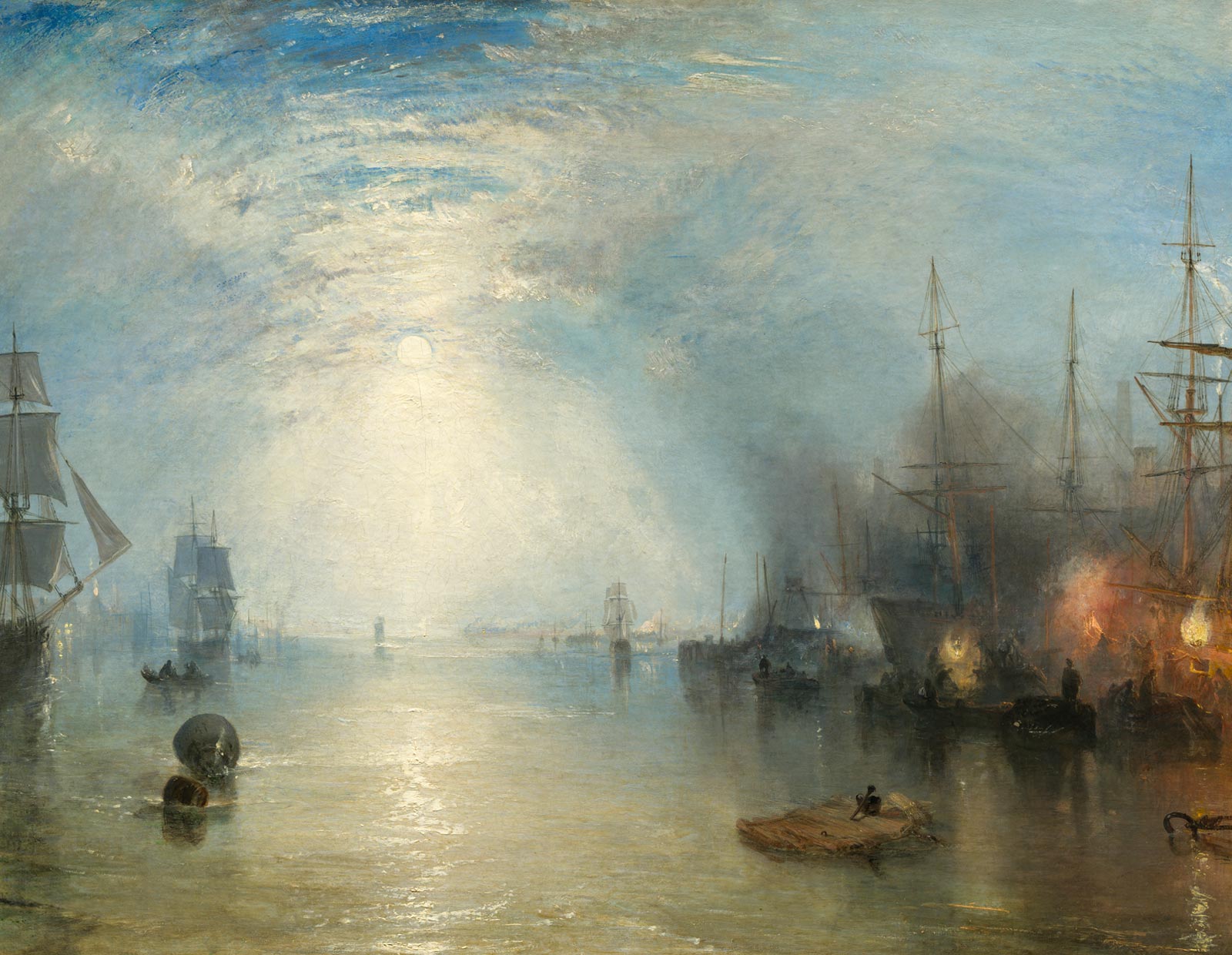
The belching smokestacks and effluents of industry transformed the marine and land vistas of England. Work, too, was transformed as laborers toiled in continuous shifts to meet the demands of a growing economy and population for fuel and other raw material. The changes wrought in English life by industrialism intrigued Turner and captured his imagination. Yet, the effects of nature equally enthralled the artist.
Claude Lorrain, Harbor Scene with Rising Sun (Le soleil levant), 1634, etching, Gift of R. Horace Gallatin, 1949.1.22
About the Artist
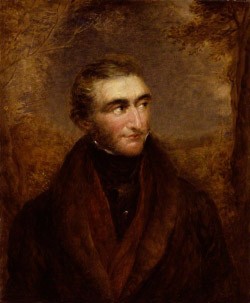
John Linnel, Joseph Mallord William Turner, 1838. © National Portrait Gallery, London.
Supported by his father, a barber and wigmaker, Turner enrolled at the Royal Academy of Art at age 14. From early on, he was devoted to landscape painting and drew inspiration from earlier, 17th-century Dutch and French landscape painters while seeking to innovate a new approach and elevate the status of landscape painting. He worked extensively in watercolor, uncommon at a time when oil paint was the most esteemed medium, and handled it with virtuosic skill. Eventually, he opened his own private gallery in London, where he could experiment and exhibit groupings of his work and promote his singular vision as he pleased. His work included dramatic marine and history paintings, and often reflected his interest in capturing the sublimity—or awesome and sometimes fearsome aspects—of nature.
Related Resources
Slideshow
Constable and Turner — British Landscapes of the Early 1800s
Slideshow
J.M.W. Turner
Video
J.M.W. Turner
Exhibition Catalogue
J.M.W. Turner. Published in conjunction with the exhibition J.M.W. Turner shown at the National Gallery of Art, Washington, The Dallas Museum of Art, and the Metropolitan Museum of Art, New York, 2008.
Image Download
Download a digital image of this work.
Joseph Mallord William Turner, Keelmen Heaving in Coals by Moonlight, 1835, oil on canvas, Widener Collection, 1942.9.86
Turner’s high ambitions were ill-matched with his general demeanor. Considered by many uncouth in his way of speaking, unsophisticated in appearance, and inattentive to the social refinements of the day, these deficits probably prevented him from achieving his ultimate goal, to become president of the Royal Academy, a prestigious position that, much like today’s high academic posts, required social dexterity and connections.
Regardless, Turner enjoyed the admiration of his peers and ultimately, numerous art patrons. The artist was named a full Royal Academician in 1802, the youngest to be so honored. His loose and romantic style coincided with the British rejection of the highly polished, classicized French styles of painting that had dominated European tastes in the previous century. The success he so prized was his, and on his death in 1851, he was honored by the British government and people and interred in St. Paul’s Cathedral. The Turner Bequest, consisting of hundreds of paintings and drawings, is now housed at Tate Britain and the National Gallery, London.
More works by Joseph Mallord William Turner
Explore all Collection Highlights