
 Formed in 2009, the Archive Team (not to be confused with the archive.org Archive-It Team) is a rogue archivist collective dedicated to saving copies of rapidly dying or deleted websites for the sake of history and digital heritage. The group is 100% composed of volunteers and interested parties, and has expanded into a large amount of related projects for saving online and digital history.

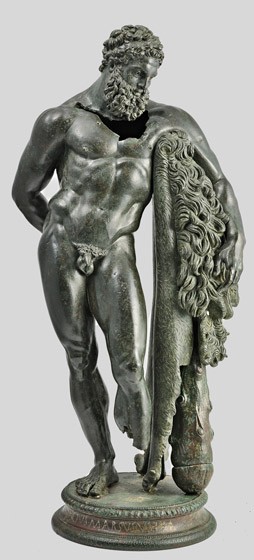
In the Hellenistic era, images of divine beings, like those of mortals, became less ideal and more realistic or “human.” Herakles (Latin: Hercules), whose heroic deeds earned him immortality, now appeared fatigued from his labors rather than invincible — an expression of pathos intended to provoke viewers’ sympathy. Artists also portrayed the gods’ variable natures, representing Athena (Latin: Minerva), goddess of war and wisdom, as a young maiden as well as a formidable warrior. Eros, the child of the goddess of love, Aphrodite, and the god of war, Ares, had been portrayed as a graceful adolescent in the Classical period but was transformed into a pudgy baby, inspiring Roman images of the god Cupid and the cherubs and putti of the Italian Renaissance. Deities became more accessible, now thought of as living beings whose moods and experiences paralleled those of ordinary people.
Pictured: Weary Herakles, AD 1 – 100; bronze, copper, and silver. Lent by the Museo Archeologico Nazionale dell' Abruzzo, Villa Frigerj, Chieti